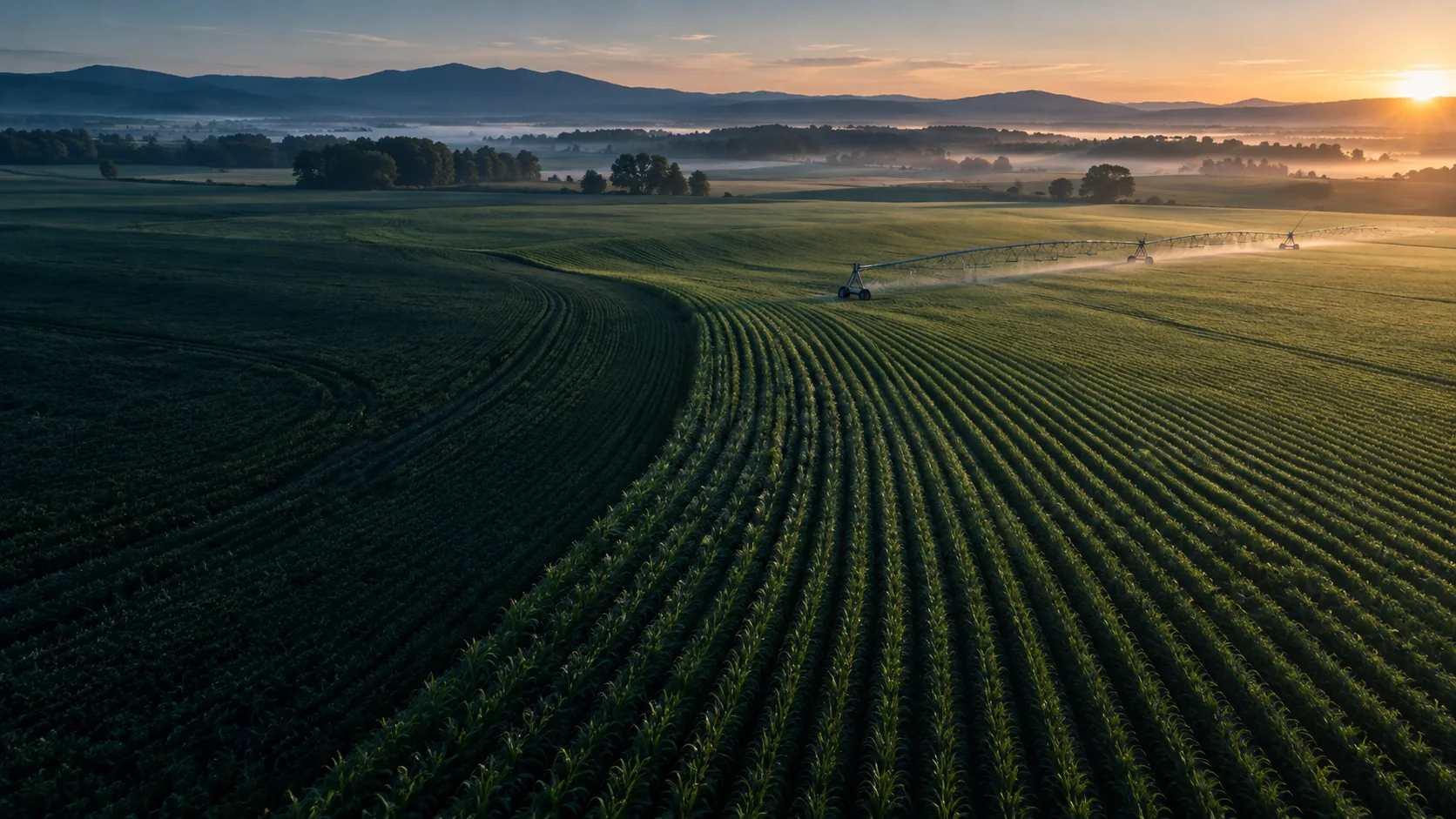
Purchasing, labor, storage, and customer commitments may be decided on different timelines. When the operating plan does not make those dependencies explicit, a change in availability or demand can force several teams to rework their decisions at once.
Purchasing, labor, storage, and customer commitments run on different timelines. Assuras brings those decisions into one seasonal business plan. We test demand and capacity assumptions, define when they need review, and connect operating and resource-use information to the choices commercial and production teams must make.
Questions for leadership
Which seasonal assumptions have the greatest effect on capacity, purchasing, and commercial commitments?
Where do business teams lack a shared view of inventory, available capacity, or demand changes?
Which resource-use measures can inform operating choices with consistent boundaries and reliable data?
A focused starting assignment
Seasonal planning decision map
Purchasing, labor, storage and customer commitments are planned on different timelines, leaving teams to reconcile changes late in the season.
The decision
Which commercial and operating commitments must be made together, and what should trigger a review.
The practical output
A decision and dependency map for one seasonal planning cycle, with assumptions, responsible owners and triggers for revisiting the plan.
Your input
The seasonal plan, purchasing and capacity assumptions, storage or fulfillment constraints, and commercial, operating and production owners.
Technical growing and husbandry decisions remain with the client's production specialists.
Explore the fit in an initial conversation. We agree the assignment, inputs and deliverables separately before work begins.
Bring seasonal assumptions, resource availability and market commitments into the same planning view.
01
Seasonal demand
Clarify demand assumptions and timing.
02
Resources
Assess available capacity, inputs and constraints.
03
Operations
Coordinate business planning, storage and movement.
04
Market delivery
Connect availability to commitments and changing demand.
↶
Return seasonal learning to the next planning cycle.
One illustrative operating view. We shape the engagement around your priorities.
Relevant work
Connect the priorities to the operating reality.
Use these workstreams to identify the decisions and responsibilities your engagement needs to address.
01
Seasonal business planning
Map the commercial and operating decisions that must be made before a defined season or demand period. Document assumptions, dependencies, and review triggers. Compare business options with the client's production specialists while keeping technical growing and husbandry decisions within their remit.
02
Storage and fulfillment workflow
Trace a selected product flow from an agreed receipt event through storage and dispatch. Examine information gaps, waiting, and handoffs between teams. Identify a bounded process improvement that respects the client's established product handling and quality requirements throughout.
03
Operating and resource-use information
Define which decisions require better inventory, capacity, or resource-use information. Review source records, measurement boundaries, and ownership. Specify the analysis needed to assess operating and sustainability priorities, with the limits of the available data stated explicitly.
Agriculture
Bring the whole season into view.
Measuring progress
Choose measures that explain the outcome.
Select the measures that fit your process, agree their definitions and establish a baseline. These examples guide assessment; they are not claims of achieved results.
01
Planning assumptions
Changes in agreed demand, availability, and capacity assumptions, with the related business decisions recorded.
02
Inventory visibility
Completeness and timeliness of records used to plan a defined product flow.
03
Resource use
A selected resource measure with an agreed operating boundary, unit, and reporting period.